
In a world overflowing with stuff, minimalist DIY offers a refreshing escape. Imagine transforming your space with clever, simple projects that scream style without the clutter. It’s not just about less; it’s about making room for creativity and breathing life into your home. Who knew that a few well-placed plants and a stylish shelf could make you feel like the next design guru?
Table of Contents
ToggleUnderstanding Minimalist DIY
Minimalist DIY focuses on simplicity and functionality in home projects. This approach encourages individuals to create beautiful spaces without unnecessary clutter.
The Philosophy Behind Minimalism
Minimalism centers on valuing quality over quantity. It promotes selecting essential items that foster peace and clarity. Living with fewer possessions encourages mindful consumption and highlights personal values. Minimalist DIY encourages individuals to create projects that reflect their style while reducing waste. Spaces become more functional and visually appealing through thoughtful design choices.
Benefits of Minimalist DIY
Minimalist DIY offers numerous advantages. It saves time and resources by focusing on simple projects. Creativity thrives without the pressure of complex designs. Changes like adding plants or shelves enhance aesthetics without overcrowding spaces. Financial savings often occur through cost-effective projects. Maintaining a clean environment supports mental well-being and reduces stress. By embracing minimalism, individuals often find joy in simplicity and intentionality in their homes.
Essential Tools for Minimalist DIY
Minimalist DIY requires a few essential tools for efficient project execution. Selecting items that maximize versatility optimizes the creative process.
Must-Have Tools
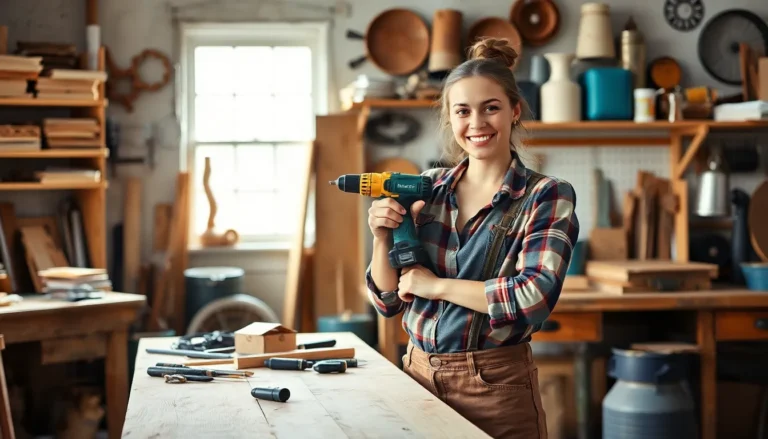
Quality tools enhance any minimalist DIY project. A sturdy utility knife simplifies cutting tasks. Adjustable wrenches make assembling furniture seamless. Consider a cordless drill for effortless tasks like hanging shelves. A measuring tape ensures accurate dimensions for all projects. Lastly, a level helps achieve the perfect alignment of wall art and fixtures.
Eco-Friendly Alternatives
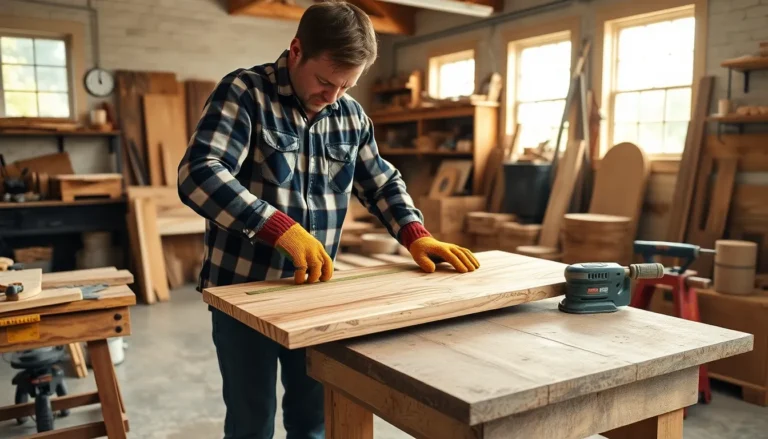
Eco-friendly alternatives support sustainable practices in minimalist DIY. Bamboo options provide durable, stylish craft supplies. Recycled paint minimizes environmental impact while adding color to spaces. Consider using reclaimed wood for furniture projects, which promotes recycling. Biodegradable cleaning supplies maintain a healthy work environment. Choosing non-toxic adhesives ensures safer indoor air quality during projects.
Popular Minimalist DIY Projects
Minimalist DIY projects offer simple yet effective ways to enhance living spaces. Various creative tasks contribute to one’s home’s aesthetic and functionality.
Home Décor Ideas
Plants add life to any room. They bring vibrancy while purifying the air. Simple wall-mounted shelves provide storage without cluttering floors. Floating shelves create an illusion of space while showcasing decor or books. Repainted furniture in neutral tones aligns with minimalist principles and rejuvenates a room. Minimalist artwork, like black-and-white photography, contributes to a clean and curated visual appeal.
Upcycling and Repurposing
Upcycling furniture transforms old items into stylish statement pieces. Chairs can become unique flower stands with a bit of creativity. Using reclaimed wood instead of new materials reduces environmental impact while maintaining charm. Glass jars serve as chic storage solutions while promoting an organized and clean space. Repurposing old fabric into cushion covers can refresh living areas with minimal cost and effort. These practices demonstrate how thoughtful creativity embraces sustainability while creating beautiful and functional home elements.
Tips for Successful Minimalist DIY
Successful minimalist DIY projects thrive on careful planning and innovative design. It’s important to envision the end result and outline steps for achieving it effectively.
Planning and Design
Originality in planning sets the foundation for minimalist DIY. Create sketches or mood boards to visualize ideas. Identify essential items that support the project while ensuring functionality. Consider color palettes that promote simplicity and calm. Prioritize multi-functional designs, as they maximize space and reduce clutter. Always assess available space before committing to designs, as adaptable plans enhance flexibility.
Sourcing Materials
Sourcing materials demands careful consideration to support minimalist values. Identify local suppliers for sustainable options, which often feature eco-friendly materials. Explore thrift stores and local marketplaces to find unique items at a lower cost. Many online platforms offer reclaimed wood or sustainable fabrics. Opt for quality over quantity, as durable materials enhance project longevity. Interest in local craftspeople or workshops can lead to discovering handmade, unique supplies that align with a minimalist aesthetic.
Embracing minimalist DIY is a transformative journey that encourages creativity and intentional living. By focusing on simplicity and functionality individuals can create spaces that reflect their personal style while minimizing clutter. Each carefully chosen project not only beautifies the home but also promotes a sense of peace and clarity.
With the right tools and sustainable materials anyone can embark on this rewarding path. Whether it’s adding greenery or upcycling furniture the possibilities are endless. Minimalist DIY fosters a mindful approach to home design allowing for both aesthetic appeal and environmental consciousness.
Ultimately this approach to DIY empowers individuals to find joy in their living spaces while cultivating a lifestyle that values quality over quantity.