
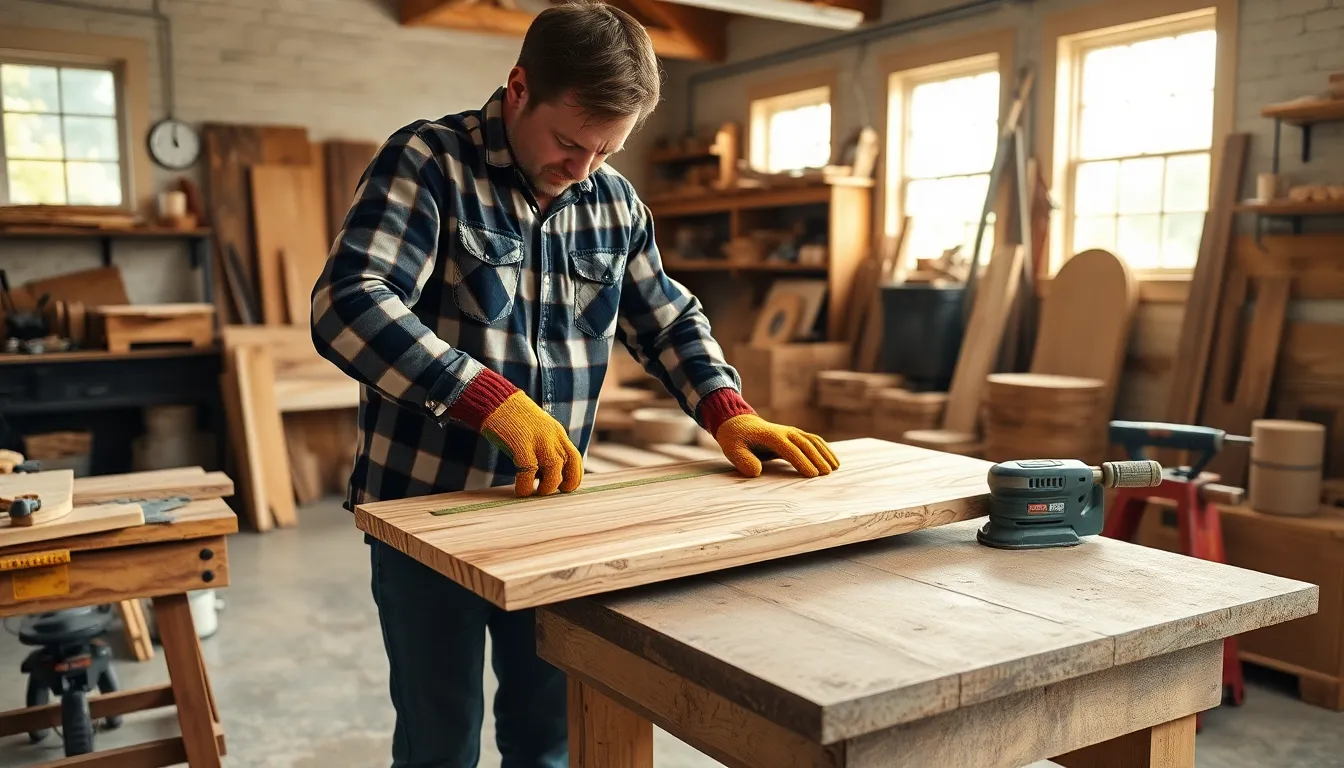
In a world where mass-produced furniture reigns supreme, DIY table designs offer a breath of fresh air and a chance to unleash creativity. Why settle for a cookie-cutter table that screams “I bought this at the big box store” when you can craft a masterpiece that reflects personal style? Whether it’s a rustic farmhouse table for family gatherings or a sleek modern design for that chic apartment, the possibilities are endless—and so much more fun.
Imagine impressing friends with a table that’s not just a piece of furniture but a conversation starter. With a little imagination and some basic tools, anyone can transform ordinary materials into extraordinary designs. So roll up those sleeves, grab that toolbox, and let’s dive into the world of DIY table designs that’ll make even the most seasoned woodworkers raise an eyebrow (and maybe a glass of wine).
Table of Contents
ToggleOverview of DIY Table Designs
DIY table designs offer an engaging way to create customized furniture. Crafters appreciate the ability to tailor styles, sizes, and materials to meet specific tastes or needs. Examples include rustic farmhouse tables made from reclaimed wood, sleek modern tables crafted from metal and glass, or playful designs using unconventional materials.
Designing a DIY table begins with selecting a theme. For those leaning towards a vintage aesthetic, using distressed wood and vintage hardware enhances the desired charm. Minimalist designs emphasize clean lines and ample surface area, often incorporating high-quality materials for a polished finish.
Tools play a crucial role in the DIY process. Essential tools include saws, drills, sanders, and clamps, allowing creators to transform raw materials into functional pieces. Skills like measuring, cutting, and assembly are fundamental, helping crafters achieve precision.
Choosing the right finish completes the design. Options range from natural stains that highlight wood grain to vibrant paints that add a splash of color. Proper sealing ensures durability, protecting surfaces from scratches or moisture.
Experimentation fosters unique creations. Creators can combine various woodworking techniques, such as joinery and carving, to enhance visual interest. Inspiration often comes from online resources, woodworking blogs, or local workshops that encourage innovation.
Ultimately, DIY table designs reflect creativity and individuality. Whether designing a simple side table for a living room or crafting a grand dining table for family gatherings, the possibilities are endless. Engaging in this creative process brings a sense of accomplishment, making every completed design a personal masterpiece.
Types of DIY Table Designs
Various DIY table designs cater to different tastes and preferences. Each type offers unique characteristics that enhance home decor.
Rustic Wooden Tables
Rustic wooden tables often boast a warm, inviting charm. These designs typically utilize reclaimed wood, emphasizing natural imperfections that add character. Distressed finishes enhance the vintage appeal, while sturdy construction ensures longevity. Users can opt for farmhouse styles, picnic designs, or simple side tables. With a little creativity, builders can personalize each piece by incorporating unique legs or tabletops. Rustic designs create a cozy atmosphere, perfect for gathering with family and friends.
Modern Minimalist Tables
Modern minimalist tables emphasize clean lines and simplicity. High-quality materials like metal and glass often feature in these designs. This style focuses on functionality without sacrificing aesthetics. Flat surfaces and sleek legs maintain an uncluttered look, fitting seamlessly into contemporary spaces. Builders can experiment with geometric shapes or integrated storage solutions. Selecting neutral colors enhances the modern appeal while allowing versatility in decor.
Recycled Material Tables
Recycled material tables present an eco-friendly alternative to traditional designs. Creative repurposing of items, like pallets or old furniture, can lead to unique creations. This approach not only reduces waste but also promotes sustainability. Using unconventional materials fosters innovation and personal expression, leading to distinct pieces. Some builders create playful designs, while others maintain a more sophisticated look. Engaging with this method appeals to those who prioritize environmental consciousness in their home decor.
Essential Tools and Materials
Engaging in DIY table designs requires essential tools and suitable materials to bring visions to life. Understanding these components ensures successful projects.
Tools Needed for DIY Table Projects
Saws play a critical role, enabling precise cuts for various materials. Drills are essential for making holes and driving screws. Sanders help achieve a smooth finish, essential for aesthetics. Clamps secure pieces during assembly, ensuring stable construction. Measuring tapes or squares guarantee accuracy in dimensions, promoting a professional appearance.
Recommended Materials for Durability
Choosing hardwoods like oak or maple results in sturdy tables that withstand wear. Plywood provides a versatile base, especially for modern designs. MDF, with its smooth surface, works well for painted finishes. Metal components enhance stability, particularly in modern styles. Seals and varnishes protect surfaces, adding longevity to every piece.
Step-By-Step Guide to Creating Your Own Table
Creating a DIY table involves careful planning and execution. Following a structured approach ensures a successful outcome that reflects individual style.
Planning Your Design
First, define the purpose of the table. A dining table, coffee table, or desk each has different size and functional requirements. Next, sketch your design, considering dimensions that fit the intended space. Choose a theme that resonates with personal aesthetics, whether rustic or modern. Select materials that align with the vision, focusing on options like reclaimed wood for warmth or plywood for versatility. Finally, gather inspiration from various sources to refine your ideas further.
Building Your Table
Prepare the workspace before starting the build. Gather essential tools such as saws, drills, and clamps to ensure efficiency. Cut the primary materials according to the design specifications. Assemble the pieces incrementally, ensuring stability and alignment throughout. Take care to sand any rough edges for safety and appearance. Incorporate any additional elements like legs or supports at this stage. Double-check measurements during assembly to maintain accuracy.
Finishing Touches
Choose a finish that enhances the final appearance. Stains and paints can either highlight natural grain or apply color for a personalized touch. Apply sealants to protect the surface and extend durability. Allow each layer to dry completely before adding another to achieve a smooth finish. Consider adding decorative elements like hardware or unique designs for added character. Always inspect the final product for any imperfections before showcasing your new table.
Tips for Customizing Your Table
Selecting a design theme enhances visual appeal. Consider rustic aesthetics using reclaimed wood, or opt for a modern minimalist approach that focuses on clean lines and quality materials. Each theme provides a distinct atmosphere and reflects personal style.
Choosing the right materials plays a crucial role in table durability. Using hardwoods like oak or maple ensures strength, while plywood offers versatility for various projects. MDF serves well for smooth, painted finishes. Explore metal components to boost stability in modern designs.
Experimenting with finishing techniques elevates the table’s look. Natural stains showcase wood’s beauty, while vibrant paints add flair. Applying seals and varnishes protects surfaces, ensuring longevity and resistance to wear.
Focusing on size and proportions achieves balance in design. Measuring carefully and adjusting dimensions to fit specific spaces prevents overcrowding and enhances usability. A properly scaled table creates a harmonious environment.
Engaging in woodworking techniques fosters unique creations. Incorporating joinery methods like mortise and tenon or dovetail joints not only increases strength but also showcases craftsmanship. Learning from online resources accelerates skill development.
Incorporating decorative elements personalizes the table design. Adding items like unique legs, a distinctive top, or eye-catching hardware contributes to individual expression. Accessories can transform a simple table into a conversation piece.
Gathering essential tools streamlines the construction process. Saws, drills, sanders, and clamps are vital for transforming raw materials into functional pieces. Ensuring a well-equipped workspace contributes to efficiency and accuracy in the project.
Embracing DIY table designs opens the door to a world of creativity and personal expression. Each project serves as an opportunity to craft unique pieces that not only enhance home decor but also reflect individual style. With the right tools and materials anyone can transform simple concepts into stunning tables that stand out.
The journey of creating a DIY table fosters a sense of accomplishment and pride. Whether opting for rustic charm or sleek modernity the possibilities are truly limitless. By experimenting with different techniques and finishes each creation can become a conversation starter and a cherished addition to any space. So pick up those tools and let imagination guide the way to a stunning DIY masterpiece.